A few years back, it was popular to speak of “re-parenting” oneself; of getting in touch with your “inner child” and working through exercises of forgiveness and self-understanding.
I got in touch with my inner child once.
I immediately sent her to her room.
I’m being deliberately flip to mask a serious subject, because even though I’ve gone through the imaginative exercises to “find” my inner child, she hasn’t really gone away. She has been impatiently fidgeting while I fooled around with my adult things, like marriage and parenting and work and ambition and accomplishment. She has been slyly observed my pretensions, laughing disrespectfully when I falter or forget things, and running off whenever I carelessly leave the front door unlocked. If I am awkward for a moment, as I often am, she feels the embarrassment for me. If someone hurts my feelings, she becomes enraged at the injustice and prepares to fight — or she curls up in bed and maybe cries a little. Conversely, if I receive some undeserved affection, she beams. I’ve tried diligently to keep that wild child happy and under control and out of trouble.
But now, in these merciless times, I may need to set her free once again. If I am going to survive, I’m going to need her help.
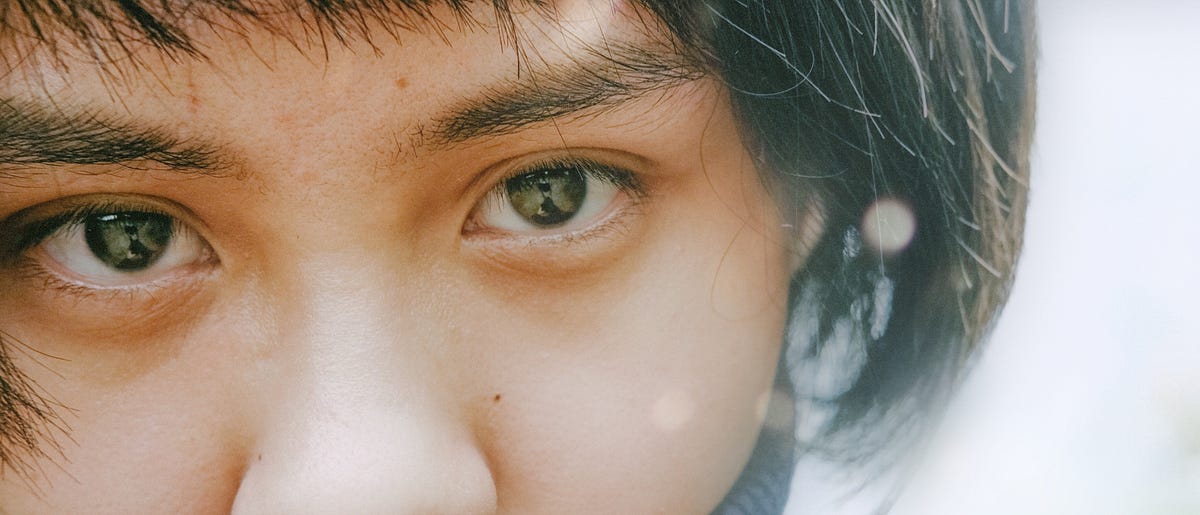
Time to break the rules again
In my actual childhood, I was quick, energetic, impulsive, and inventive. Restless and reckless, I don’t remember fearing much, except for dogs. I tore through the neighborhood fighting the boys when they teased me. They weren’t allowed to hit girls, so I won. But their mothers called my mother, and I got in trouble. I ran away often, even learning, at the age of three, how to unlatch the screen door using a broom. I suffered frequent and vicious earaches that kept me up many nights crying, which surely tried everyone’s patience.
School was easy for me in some ways, but I was always in trouble for talking in class — even if it wasn’t me that time. Since I responded badly to the public shaming that always followed, I was told I lacked self discipline, the gold standard for good girls.
Over time, I learned it was bad to hit boys, or really anybody, I guess. But I also learned it was bad to talk too much or too loudly, to cry out in pain, to run away, or to defend myself against insult or injury. Whether or not those value judgments are true, that’s what I believed. And, like many girls-to-women, I learned that even a phony smile consistently brought more approval than an honest scowl.
So, through years of work and mighty, mighty effort, I learned tough self-discipline, I harnessed my mouth when in proper company, I learned to wait my turn, and I even sometimes passed for a reasonable, compassionate human being, in the worlds of parenthood, business, ministry, and higher education.
Time to talk in class
But now, dismayed by the state of things, I have decided I have not talked enough. When I did have a pulpit, I joined the other progressive preachers to talk about compassion and liberation and transformation. But we didn’t exactly finish the job, and even basic compassion and the cause of justice seem to be declining every day.

So whatever I said in the past, I need to say it again. Loudly and, if necessary, increasingly crudely. I need my Inner Wild Child to interrupt the conversation of the “adults” and rudely call them out for the liars they are.
I will start with the core message of every child, ever, when they start learning about the world: It’s Not Fair. This “adult world” setup that privileges the few at the expense of many? It is simply Not Fair. Silencing those who speak out about it? Not Fair. Blaming the ills of society on those who reap the least benefit from it? Cruelly, stupidly, Not Fair. And, Inner Wild Child will assert, you can’t convince me that it is. The adults in the room will dismiss this simple assertion, or perhaps they will agree that life’s not fair. But they will say, “Deal with it” rather than do something about it.
Time to cry out in pain

Big boys and good girls don’t cry. Girls must hide their suffering or risk becoming unattractive to the boys. Boys must hide their suffering or risk being called effeminate. We are constantly being told, with almost mechanical repetition: That doesn’t hurt. Don’t be a crybaby. Crying won’t help. And sometimes, most cuttingly: “Cry? I’ll give you a reason to cry.”
Well, they made good on that last promise. We’ve got plenty of reasons to cry now. While it is true that over the past 50 years or so, significant numbers of people have been lifted from extreme poverty to only relative poverty, many more people are being robbed blind by the very rich few. Democracies are struggling to remain democracies, beset by waves of hate masquerading as populism or nationalism or whatever doesn’t sound like, well, hate. The earth itself is crying as she endures the perverse use of her resources: oil is sucked up in an orgy of endless extraction and then proceeds to pollute the air. It hurts the inner child in all of us to see evidence, each day, of how personal profiteering has overtaken our best efforts to care for people, freedom, and the future. The top one percent are not crying. Everybody else is or will be soon.
Time to stop with the self-discipline
My generation of women fought well, for a while, to release ourselves from the cultural straitjacket we began to recognize during the activism of the 1960s and 1970s. As women gained new freedoms in the political sphere, many of us anticipated that inner liberation would follow. But over time, the promised liberation did not unfold.
Turf wars over our uteruses, our careers, our appearance, our right to exist in public spaces without harassment, showed that the status quo always fights back. But we were told not to quibble, not to complain, and not to risk appearing too angry, and the assaults on women, both figurative and real, continued. It was our job to patiently endure while men were gently told why their behavior was unacceptable. Over and over again. Apparently men literally could not discipline themselves, so WE would win by exhibiting our superior self-discipline. That’s not really working so far.

It needs to be highlighted that women of color, and people of color in general, are expected to demonstrate even stricter levels of self-discipline. Don’t be rowdy; don’t give off “attitude”; don’t show anger; don’t be too colorful in your language; don’t allow your inner pain to come out — it might upset the white folks or provoke the officer. In fact, anyone marginalized in this society is held to the highest standard of self-discipline regarding the face they present to the world. Put bluntly, sexual predators, racists, and those at the top of the food chain are held to no standard whatsoever. They spew any angry, hateful bile they can think of or parrot. The victims are told to remain civil.
So my Inner Wild Child wants to re-balance the acoustics. For every hateful eruption directed at people just looking for justice, we should hear the cries of of the justice-seekers at equal volume, and take them equally seriously. Time to use our outside voices, friends.
Adopting the Inner Wild Child
It may sound as if I am encouraging everyone to stop adulting, stick their thumbs in their mouths, and pout or whine or throw themselves on the floor in a tantrum. That’s not the point, for each of those non-productive behaviors have their adult equivalents: passive-aggression, apathy, self-pity, or raging over nothing. Only an adult could remain as stubborn, as unforgiving, as set in their ways as some of the world’s worst people do.

But the Inner Wild Child is different — at least for me. You see, that same unruly girl — who talked and cried and fought and ran away — could see through a deep night sky into infinity, believed that she could indeed fly, and repeatedly defended her little brothers against a terrifying, faceless dream monster that night after night was about to come crashing into the house. That inner child was the part of me that reveled in learning new words and chased down big ideas and boldly entered fantasies. She worried constantly, but she did not let the worry paralyze her; she still ran and stretched boundaries and tried things. Th adults told her she was “working herself up” over “nothing,” but she was the one who knew what was really important, and what was really real.
Let the Wild Inner Children come out to play
I want to encourage women, marginalized people, anyone trapped by the injustices of the adult world to continue unraveling whatever internalized cultural expectations bind them. Instead of accepting that the “adult world,” with all its cruelty, is the only world possible, let each of us pursue our own freedom, live our true lives, and face together the monstrous global, existential crisis that I have learned is not a dream but a real threat.
For me, it looks like this:
I shall no longer wait my turn.
I shall be who I want to be, say what I need to say, look the way I want to look, go where I want to go, laugh at the absurdities, cry out against my pain and the pain of the world, and fight the bullies and the monsters wherever I find them.
You come too.
 Rev Dr Sparky on Real/igion
Leave a comment